
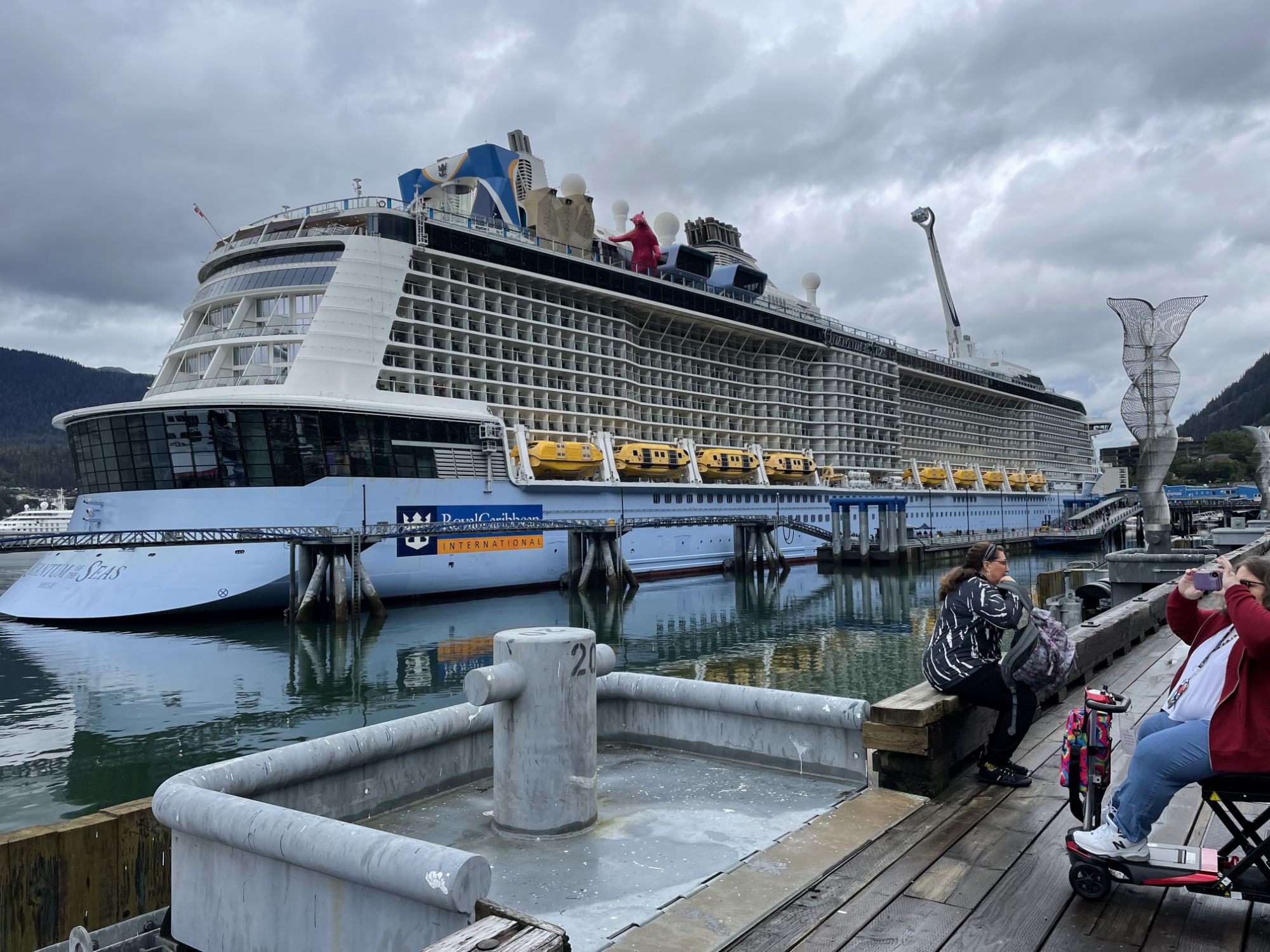
I’m not going to hand you a list of this week’s deals — they’d be gone before you finished reading. What I can give you is the system that keeps finding them for us: seven habits, none of them complicated, one of which put us in an Alaska balcony cabin for $125 before taxes and fees. Here’s how to find travel deals the way we do.

How to find travel deals, the short version
Give marketing emails their own inbox, let the browser track prices instead of hunting coupons, subscribe to Travelzoo’s weekly email and act the day a deal appears, sail over holidays, bid on every RoyalUp category you can afford, check the cards already in your wallet, and put an AI agent on watch. Now the details.
1. Give the marketing emails their own inbox
Set up a separate email address for one job: signing up. Every rewards program, every “join our list for 10% off” — say yes, and point all of it there. Your everyday inbox stays clean, and the offers pile up where you can find them. Then one Saturday, when you realize you need craft supplies, open that inbox, search “Michaels,” and the newest coupon is sitting at the top. No hunting, no coupon sites. You go to the offers when you need them, not the other way around.
2. Let the browser track the price, not the coupon
When you shop online, the useful question isn’t “is there a code” but “is this actually a good price.” Microsoft Edge used to hunt coupon codes at checkout; Microsoft retired that feature in 2025, but Edge still shows price history and price comparison, and it can track a price and tell you when it drops — which says more than a coupon ever did. You’ll notice I’m not recommending the coupon-finding extensions. Several have been accused of quietly replacing the affiliate links of creators like me at checkout, and that’s in court right now; I won’t send you to a tool that works that way. Give the marketing emails their own inbox (tip 1) and you’ll have the real coupons anyway.
3. Travelzoo’s weekly email is where our cruise deals come from
My best tip on how to find travel deals is boring: subscribe to Travelzoo’s free weekly Top 20 email and skim it for anywhere you’d like to go. That’s it — no hoops, no searching. Our first two Alaska cruises came from that email. The first was a balcony cabin for $125 per person before taxes and fees; the second was $500. You probably won’t see $125 again — that was a post-COVID “fill the ship” price — but the $500 kind comes around often.

Two things to know before you chase one. First, Alaska taxes and port fees run about $500 per person on top of the fare, so budget for the real number. Second, these deals have short windows and sell out — if you see one you want, book it that day, and stay flexible on dates. Travelzoo gets 4.5 stars from me for making great deals this easy to find.
The trade-off: you’re booking through Travelzoo’s partner agency rather than directly with the cruise line or your own travel agent. Read the terms on deposits, changes, and who you call if something goes wrong before you hand over a card.
4. Sail over a holiday
This one still doesn’t make sense to me, but it has held up across our cruises: sail over a holiday — Memorial Day, Labor Day, Christmas, any of them — and the fare is usually lower. I’d expect the opposite, since a holiday weekend means fewer vacation days used, but apparently not everyone thinks that way. If you’re retired or flexible, that gap is yours.
5. RoyalUp: bid on every cabin you can afford
On Royal Caribbean, sometime before your sailing you’ll get an email inviting you to bid on a cabin upgrade through RoyalUp. It lists a minimum bid for each category and an estimate of what’s likely to win. In our experience the estimates don’t mean much: we’ve won at the minimum and lost after bidding well above it. So if you grab a good base fare and decide to splurge later, this is the way to do it.

Two habits that help. Don’t put in one bid — bid on every category you’d be happy to pay for. Just like a raffle: more entries, more chances to win. And don’t expect an early answer; in our experience you don’t hear until about 24 hours before you sail.
6. Check the cards already in your wallet
Before you book anything, look at three things you may already have. First, your credit card’s offers tab — Amex, Chase and Capital One all run card-linked offers you activate with a tap, and cruise lines, hotels and airlines turn up there regularly; a cruise deposit is also an easy way to hit the minimum spend on a sign-up bonus if you’ve been considering a new card.
Second, the memberships you pay for anyway: AAA, AARP and Costco all have travel desks with their own cruise pricing or perks, and it costs nothing to put their quote next to the deal you found.
Third — the one most people don’t know about — the cruise line’s casino. On Royal Caribbean it’s Club Royale: your play is tracked on your SeaPass card, and enough of it brings offers of discounted or free cabins on future sailings. Only worth it if you’d be in the casino anyway, but if you are, make sure every dollar is tracked.
7. The new one: put an AI agent on watch
This is the trick that didn’t exist when we booked those Alaska cabins. AI assistants now run inside the browser — Claude in Chrome, Gemini in Chrome, Perplexity’s Comet — and they can do the boring half of deal-hunting for you: open the Travelzoo Top 20 every Wednesday and flag anything to Alaska under your number, compare the same sailing across a few sites, and read the deposit and cancellation terms before you hand over a card.
Full disclosure: I use Claude in Chrome to help run this site, which is how I know it can do the Travelzoo check on a schedule. Two caveats. Most of these need a paid plan (Comet has a free tier), and in testing they still make mistakes with prices and fake deals — so let the agent watch and compare, and keep the booking click for yourself.
How to find travel deals without a second job
None of this is clever. It’s setting things up once — the inbox, the price alerts, the weekly email, the agent — so the deals come to you, and then being ready to move the day one shows up. That’s how to find travel deals without making it a second job, and it’s how a $125 balcony happens.
More from those sailings: Pros & cons of Alaska cruising · Advice to first-time cruisers
Your turn: what’s the one deal trick you’d add to this list? Tell me in the comments.



Leave a Reply